Conservation-Forward Luxury Wildlife Travel

The wildlife travel industry has a greenwashing problem. Every hotel now claims to be ‘sustainable,’ ‘eco-friendly,’ ‘responsible,’ and ‘giving back.’ Too often, these claims mean very little.
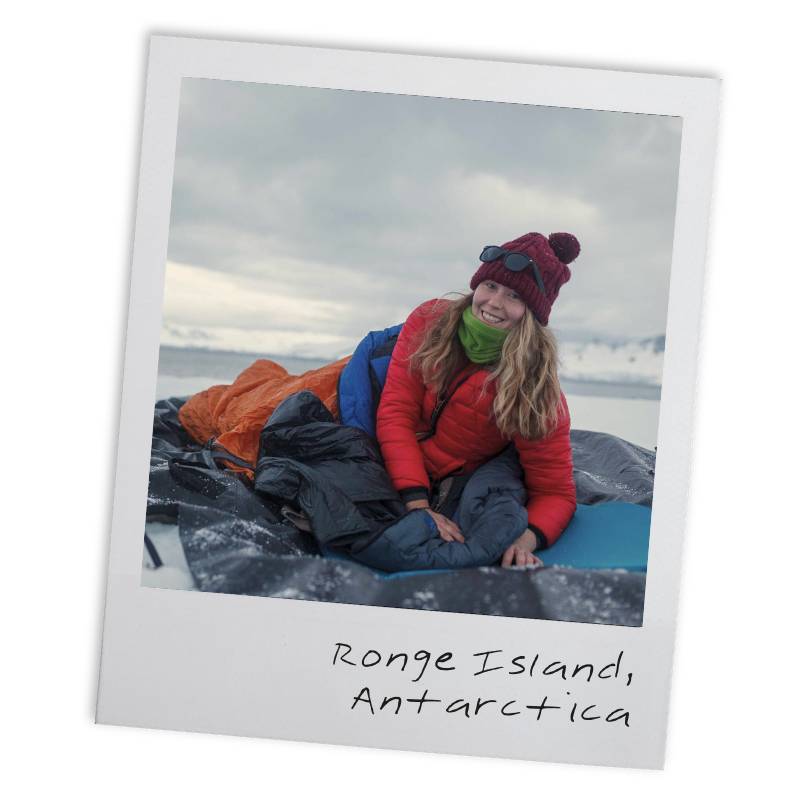
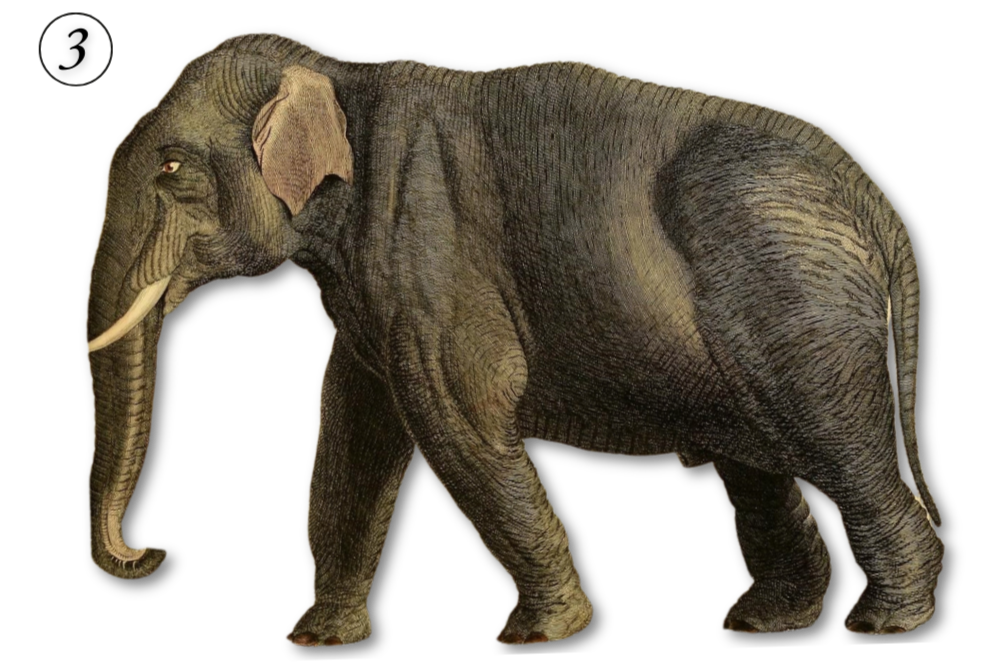
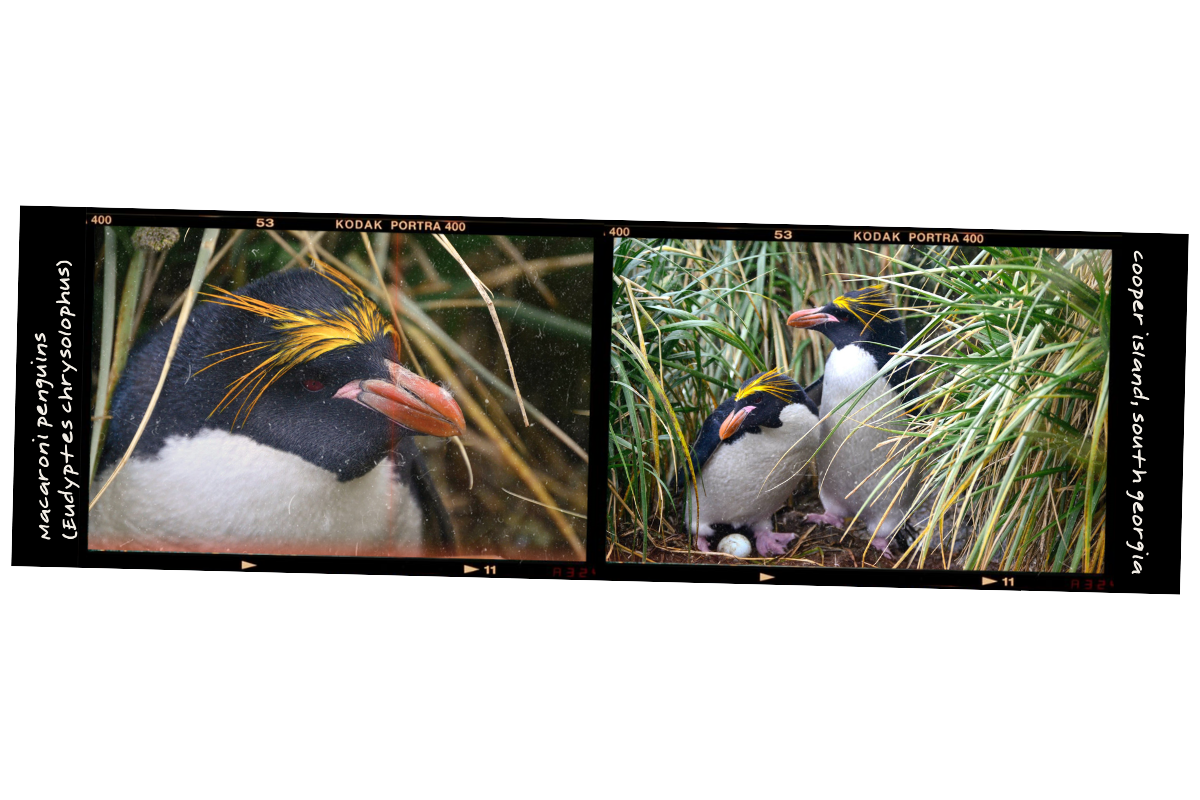
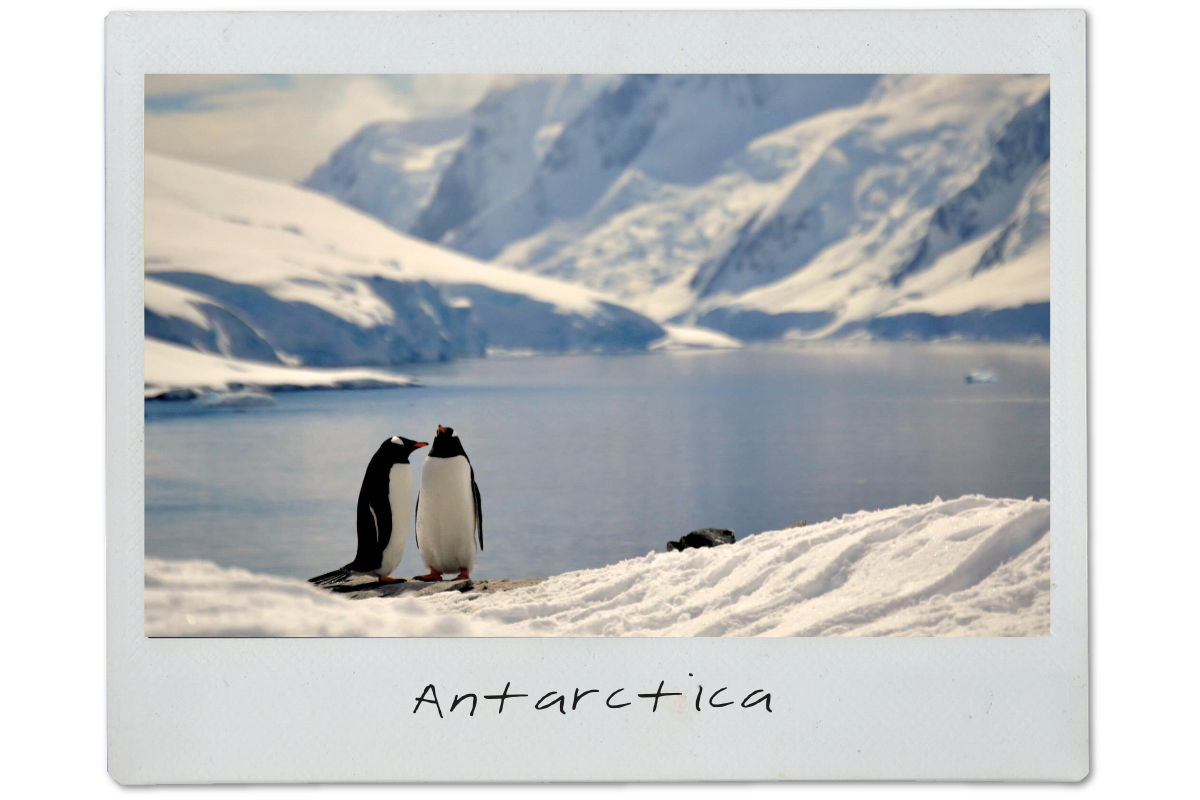
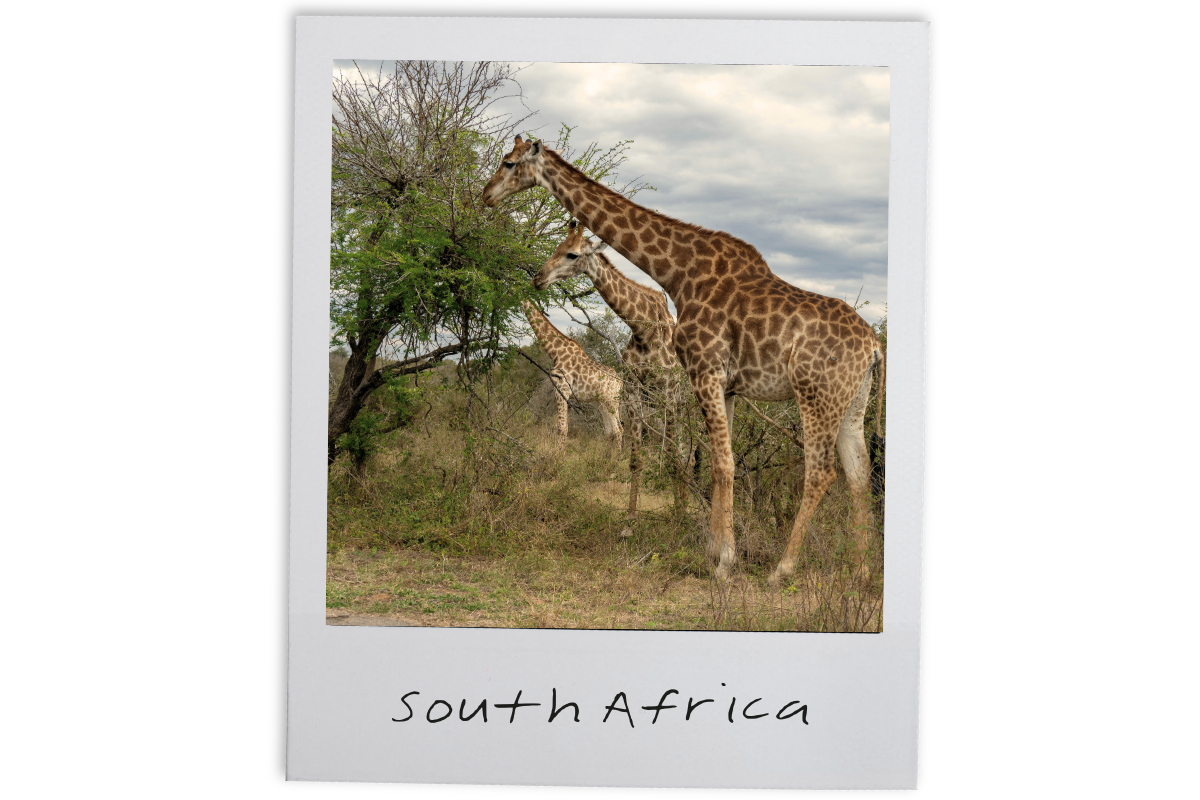
I'm Dr. Cat Black and I’m an Oxford trained zoologist. I've spent years in the field studying animal behaviour. I watched penguin chicks hatch on Antarctic islands, measured African elephant tusks in Kruger Park, and weighed newborn mice pups in a Zurich barn. That kind of work changes how you see wilderness. It also makes greenwashing much easier to spot. Read more about my background in wildlife research.
Conservation-forward travel (you might also hear it called ‘regenerative’, or ‘impact’ travel) is the real thing. It means nature is genuinely protected, the wildlife aren’t just props, and the money you spend actually goes back into the local ecosystem and communities.
That's what I write about here: the destinations I cherish from my travels and those I daydream about visiting. I deep dive into the operators worth trusting and what it really means to travel somewhere wild and leave it better than you found it.
If that sounds like your kind of thing, you're in the right place.


Sign up to receive my weekly newsletter on wildlife, conservation, and travel that puts the natural world first.
Destinations
Find your travel style
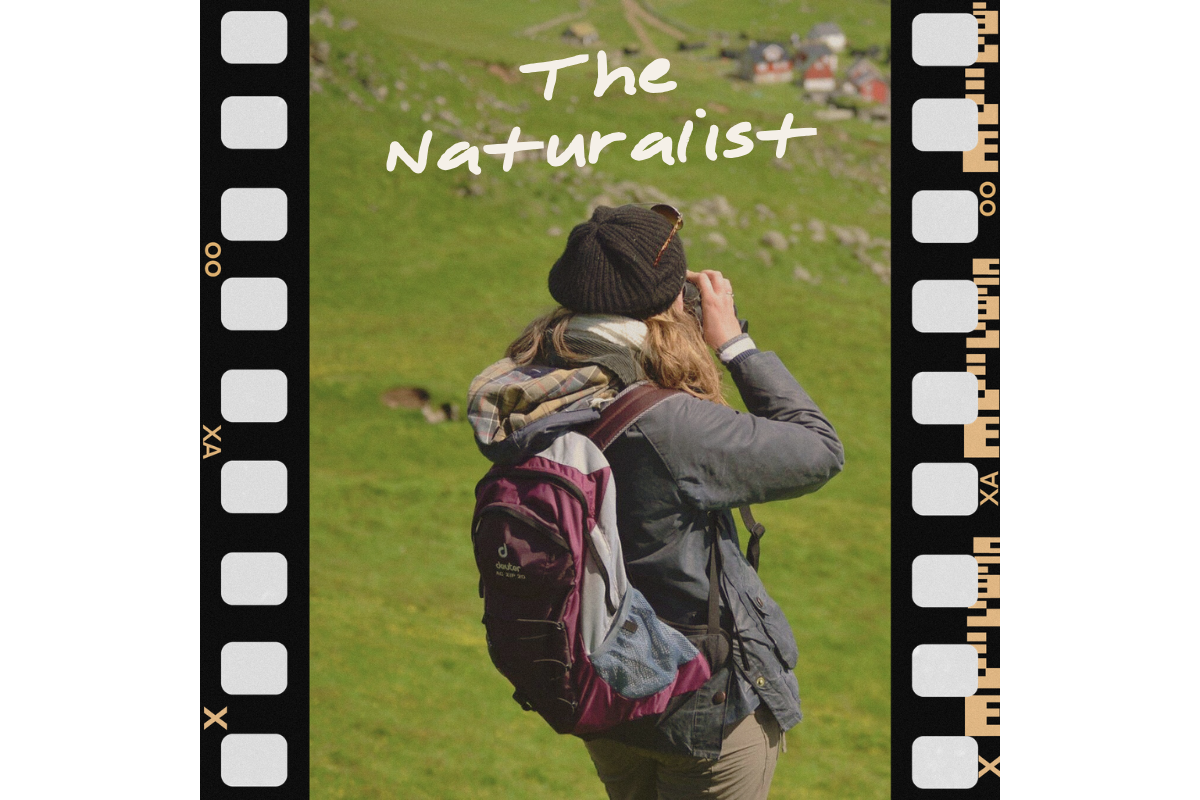
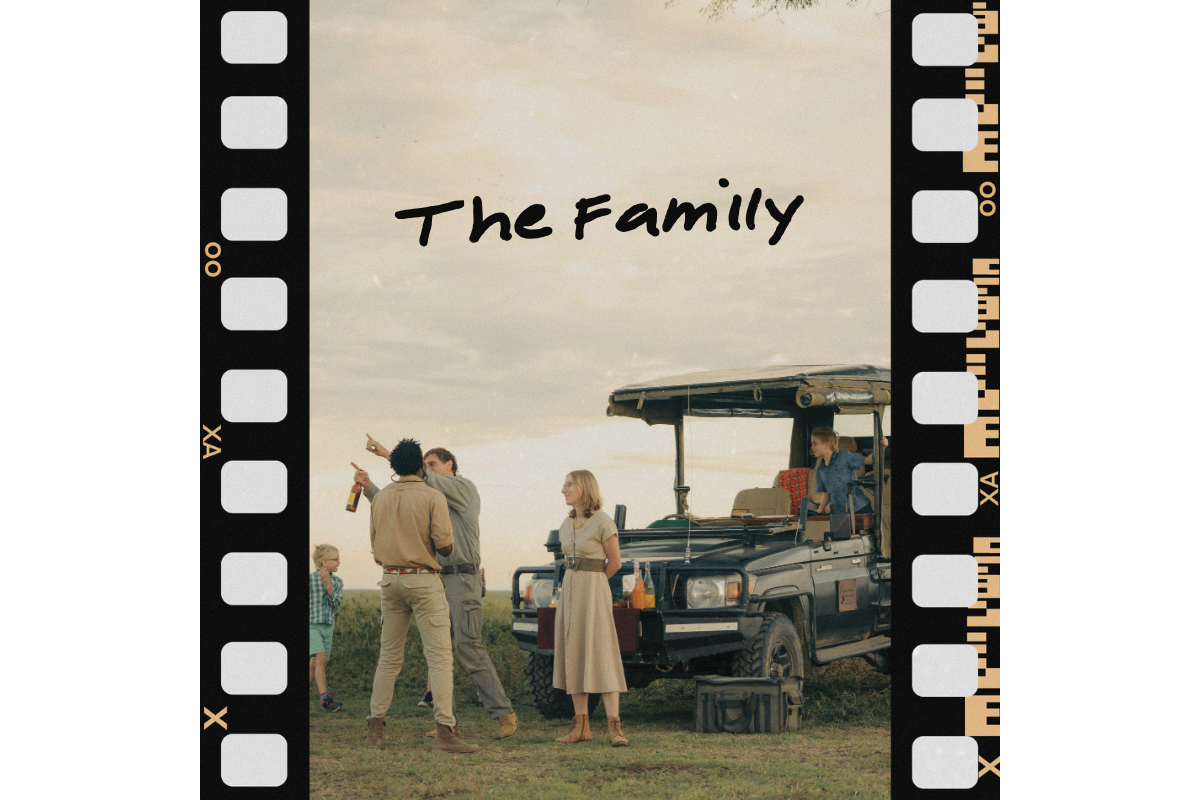

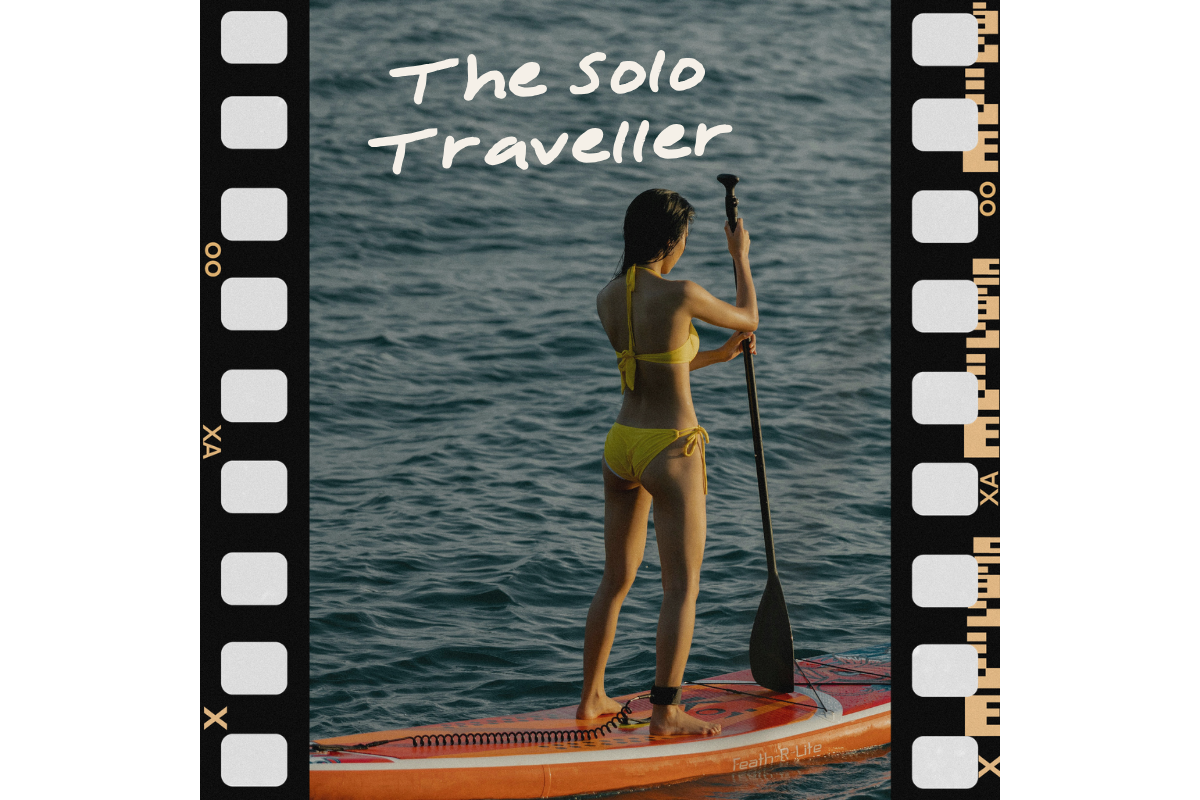

Conservation-forward travel means every element of your trip (the lodge you sleep in, the operator who guides you, the concession you drive through) actively funds the protection of the ecosystem you came to experience. It is not just a marketing ploy, but a genuine measurable standard.
The difference between genuine conservation travel and greenwashing is verifiable: Does the lodge fund anti-poaching units? Is the land protected because tourism replaced more exploitative practices? Are local communities benefiting through ownership, employment, and revenue sharing (not just a school visit for photographs)?
What is conservation-forward travel?
As a zoologist with fifteen years of fieldwork across Antarctica, southern Africa, and South America, I evaluate operators and lodges against the same evidence standards I applied in academic research. I read the conservation reports, know the local restrictions, check the community structures, and ask the questions most travel advisors do not.
Wild & Worthy exists because the wildlife travel industry needs more science and less marketing. Whether you are planning an Antarctic expedition, a family safari, or a solo wildlife trip, every itinerary I recommend is built on the same principle: your trip should leave the destination measurably better than you found it.
Latest Posts from Field Notes